If you have back pain, look for a Pilates instructor who can do more than teach exercises. They should understand anatomy and biomechanics, observe how your whole body moves, adapt the work in real time, and explain what they are seeing and why.
The question isn’t simply: Does this instructor know Pilates?
It’s: Can they figure out how to teach Pilates to your body?
Start With Comprehensive Pilates Training
There is a significant difference between an instructor who completed a short Reformer- or Cadillac-only certification and someone who completed a comprehensive Pilates education.
Comprehensive training is often 450+ hours and includes mat, Reformer, Cadillac, chair, and other apparatus, along with anatomy, modifications, contraindications, progressions, observation, and practice teaching.
That broader education gives an instructor more tools when your body needs a different position, resistance, range, apparatus, or exercise.
But training is only the starting point.
They Should Be Able to See What Your Body Is Doing
Knowing hundreds of exercises doesn’t help much if an instructor can’t recognize what happens when you perform them.
Maybe your abdominals work well at first, then fatigue and your back starts taking over. Maybe an exercise intended for your core mostly creates gripping through your back. Maybe you can organize a movement lying down but lose it when you stand.
A skilled instructor should notice those changes and know how to respond.
As Dynamic Body Pilates founder Rebecca Lubart explains:
“With back pain, I don’t just want an instructor who knows what exercise comes next. I want them to see when the movement changes—when another part of the body starts taking over—and know what to do with that information.”
That may mean changing the resistance, position, support, range, or exercise entirely.
They Should Explain the “Why”
Good instruction should give you information you can use.
You should begin to understand why an exercise is in your program, what you are trying to change, and how those ideas apply outside the studio.
One DBP client described the difference this way:
“The teachers have an understanding of the human body that I have never seen before. I’ve tried Pilates before but this is a completely different experience. My practitioner is an unbelievable teacher and explains everything so eloquently and clearly.” — Raquel S.
The goal is not simply a customized workout. It is a growing understanding of your own movement.
They Should Listen to You
Someone who has lived with back pain for months or years doesn’t need to be dismissed, pushed through an exercise, or told that what they’re feeling shouldn’t be happening.
They need an instructor who can listen, take their experience seriously, and help them build confidence and capacity without treating them as fragile.
You should feel heard without being made to feel afraid of your body.
Experience With Back Pain Matters
Your instructor doesn’t need to have worked with your exact diagnosis before, but they should have meaningful experience working with people with chronic pain, disc issues, scoliosis, sciatica, previous injuries, or other relevant concerns.
More importantly, they should be able to think beyond:
Back pain = core exercises.
Your back exists in relationship to your hips, pelvis, legs, rib cage, breathing, balance, and posture.
A good instructor shouldn’t treat your back as the entire problem, an area to avoid altogether, proof that your body is suddenly fragile, or something you should simply push through.
The goal is to understand how your back fits into the larger movement pattern and help your body develop more options.
They Should Know When Pilates Isn’t Enough
Good judgment includes knowing what falls outside Pilates.
A Pilates instructor should not diagnose your back condition. If symptoms meaningfully change or require medical evaluation, they should be comfortable referring you to a physician or physical therapist and collaborating when appropriate.
That distinction matters when you are deciding whether Pilates is the right approach for your back pain in the first place. If you’re weighing Pilates against physical therapy, start with the differences between Pilates and physical therapy for back pain and consider what kind of support your symptoms require.
Why One-on-One Pilates Can Matter
Not everyone with back pain requires private Pilates.
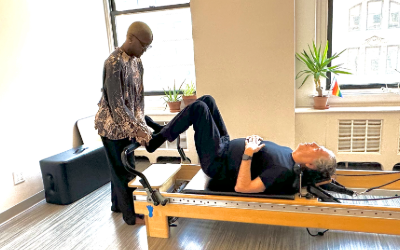
But one-on-one instruction gives your instructor time to watch closely, notice what changes as you fatigue, respond to symptoms, and determine whether a modification actually improves the movement.
For someone worried about making their back worse, that attention can replace uncertainty with understanding.
As Rebecca puts it:
“The goal isn’t just for your instructor to know your body. It’s for them to teach you enough that you start knowing your body better too.”
What Should You Look for in a Pilates Instructor?
Look for someone with comprehensive training, meaningful experience with back pain, strong observation and communication skills, and the ability to adapt the work as your body changes.
And don’t look for someone who promises the single best exercise for your back. There is no magical Pilates exercise for back pain.
What matters is finding an instructor with enough education, experience, empathy, and judgment to figure out what your body needs.
Why Work With Dynamic Body Pilates
At Dynamic Body Pilates, private sessions are built around that individual attention. Your work begins with understanding how you move, what you are experiencing, and what your body needs from Pilates. From there, your instructor can adapt exercises, equipment, resistance, positioning, and progression to you rather than asking you to fit into a predetermined program.
If back pain is keeping you from moving the way you want, explore our approach to Pilates for back pain to see how private Pilates can fit into your next step. You can also learn more about our personalized Pilates sessions or start with a Dynamic Body Assessment Session to get a closer look at how your body moves and where to begin.
You don’t need to figure out the right exercises on your own. The right instructor should help you understand your movement, adapt the work to your body, and give you a more informed way forward.
FAQs About What to Look for in a Pilates Instructor
What qualifications should a Pilates instructor have for back pain?
Look for an instructor with comprehensive Pilates training that includes anatomy, movement principles, modifications, contraindications, and multiple Pilates apparatus, rather than training limited to a single piece of equipment. Experience working with people with back pain is also important, as is the ability to observe movement and adapt exercises based on what they see.
Can Pilates instructors help with back pain?
Pilates may be appropriate for some people with back pain, but an instructor should not diagnose or treat a medical condition. A qualified instructor can modify Pilates exercises, observe how you move, and help you build movement skills within the scope of their training. If your symptoms require medical evaluation, a Pilates instructor should be willing to refer you to a physician or physical therapist and collaborate with other providers when appropriate.
Is private Pilates better for back pain?
Private Pilates is not necessary for everyone with back pain, but one-on-one instruction allows an instructor to observe your movement more closely and adapt exercises in real time. This can be particularly useful if you have persistent pain, a previous injury, movement limitations, or uncertainty about how to exercise safely.
How do I find the right Pilates instructor for back pain?
Look for comprehensive Pilates training, experience working with people with back pain, strong observation and communication skills, and an approach that adapts exercises to the individual. An initial assessment can also help determine whether the instructor’s approach is appropriate for your needs and give you a clearer starting point.
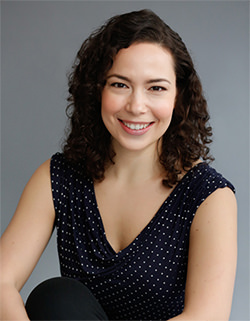
Rebecca Lubart is the founder and CEO of Dynamic Body Pilates, a one-on-one Pilates studio in New York City specializing in chronic pain, movement challenges, and healthy aging. With 20 years of experience teaching Pilates, Rebecca helps people better understand how their bodies move—and how strength, mobility, balance, and coordination work together.
Her approach grew in part from her own recovery from a traumatic injury and the search for more effective, whole-body solutions to persistent pain. She founded Dynamic Body Pilates in 2012 to bring that approach to others. Today, Rebecca and her team help clients move with greater comfort, confidence, and independence through highly individualized Pilates and movement education.