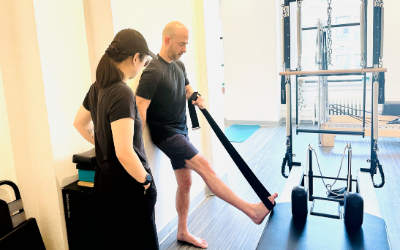
Most private pilates sessions last about an hour and are spent working one-on-one with a comprehensively trained Pilates instructor who continually adapts the session to your body, your goals, and how you’re moving that day. You might use the Reformer, Cadillac, Chair, mat, or other equipment as you build strength, improve mobility, challenge balance, and better understand how your body moves.
If you’ve never done private Pilates before, it’s natural to wonder what actually happens during an hour.
- Do you spend the whole session on the Reformer?
- Is it a workout?
- Is it more like physical therapy?
- Will you sweat?
The honest answer is…
It depends.
That may sound like a frustrating answer, but it’s also the reason private Pilates works so well.
Because no two people walk through our doors with the same body, goals, movement habits, or health history, no two sessions look exactly alike.
You’re Not Just Learning Pilates
One of the things I tell clients all the time is:
“I’m not really teaching you anything new. Your body is already capable of moving in all of these ways. My job is to help you discover options that have gotten buried beneath habit, pain, injury, or years of doing things one way.”
That’s a very different approach than simply leading someone through a workout.
You’re the one moving.
My job is to observe, ask questions, notice patterns, and guide you toward movement choices that allow your body to work more efficiently. That’s why two people with the same diagnosis may receive completely different sessions. We aren’t treating a diagnosis—we’re working with an individual body.
Sometimes I’ll demonstrate. Other times I’ll coach you verbally. With your permission, I may use hands-on guidance to help you find a position or movement your body hasn’t experienced before. Together, we figure out how you learn best and build from there.
Sometimes that means helping you find muscles you’ve never been able to feel before.
Sometimes it means helping you stop using muscles that have been working far too hard.
Often, it’s both.
Every Session Has a Strategy
Many people imagine that a private Pilates session is simply a list of exercises performed one-on-one.
Classically, Pilates followed a set sequence of exercises from beginning to end. While there’s tremendous value in that tradition, we don’t live in Joseph Pilates’ world anymore. We live in a world of desk jobs, smartphones, longer lifespans, chronic pain, pregnancy, joint replacements, elite athletes, and a much deeper understanding of biomechanics.
Every session is part of a larger strategy.
Rather than asking,
“What’s the next exercise on the list?”
we’re asking,
“What’s the next step for this person’s body today?”
This individualized approach is one of the biggest differences between private Pilates and group classes. While both have value, they’re designed to accomplish different things.
What Does the Hour Actually Look Like?
Most one-on-one sessions in a Pilates studio include movement on a variety of Pilates equipment along with smaller props. Each piece of equipment changes how your body experiences movement. Sometimes it provides support. Other times it creates challenge. The equipment is simply a tool—the strategy always comes first.
You might use the Reformer, Cadillac, Wunda Chair, Ladder Barrel, Spine Corrector, mat, free weights, resistance bands, rollers, balance equipment, or other tools depending on what best supports your goals that day.
Some sessions focus on helping you return to hiking, skiing, strength training, gardening, or simply getting through your workday without discomfort. Others emphasize balance, mobility, confidence after injury, or preparing for a specific activity.
Most include a combination of many different elements.
As your body changes, your sessions change too.
Why It Feels Different
Many of our clients have exercised before. They’ve followed online workouts, worked with trainers, completed physical therapy, or taken Pilates classes.
The challenge is knowing whether they’re doing the movement well—and whether it’s actually helping.
Maybe you’ve been faithfully doing core exercises, but your back still hurts.
Maybe you’ve been told to “engage your core,” but no one has ever helped you understand what that actually feels like.
Throughout the session, your practitioner is constantly making decisions.
Not simply,
“Let’s do an abdominal exercise.”
Instead, every few minutes your practitioner is asking questions like:
- Which movement will help this person most today?
- Is this challenging enough—or too challenging?
- Would a different piece of equipment make this easier to understand?
- Are we building strength, improving mobility, restoring balance, or reducing compensation?
- Is this movement helping—or reinforcing an old habit?
- Which abdominal exercise?
- Should gravity assist today, or should it provide more challenge?
- Should we add resistance—or remove it?
- Is your pace helping you recruit the right muscles, or encouraging compensation?
- Would a different piece of equipment help your body understand the movement more clearly?
- Should today’s focus be strength, coordination, mobility, or simply helping your nervous system feel safe enough to move differently?
Those decisions happen continuously because your body is constantly giving us information.
If something doesn’t feel right, we don’t bypass the feedback — we collaborate to adjust it.
One of the things clients often tell us is how different it feels to have an entire hour where they don’t have to wonder if they’re doing it right. You don’t have to decide what exercise comes next, second-guess whether something should hurt, or try to interpret conflicting advice you’ve read online. Your practitioner is continually observing, adapting, and guiding the session so you can simply focus on moving.
Small Changes. Big Difference.
Whether your goal is to get out of pain, tone your muscles, build strength, improve your posture, sit comfortably through a workday, or keep up with your kids or grandkids, those bigger goals are often achieved through much smaller changes in how your body organizes itself.
Learning how to organize your posture can make sitting at your desk feel easier.
Finding better support through your feet can make walking or climbing stairs feel more stable.
Coordinating your breath with movement can make strength exercises more effective while reducing unnecessary tension in your neck and shoulders or back.
Our job is to connect those small improvements to the outcomes that matter most to you.
Because when the foundation changes, everyday life begins to feel different too.
What Clients Notice Most
What clients often notice isn’t how many exercises they did. It’s how precisely every detail was adapted to them.
One client came to us after repeatedly pulling the same muscle while skiing. She didn’t just want to recover—she wanted to understand why it kept happening.
After her sessions, she wrote:
“The private sessions at DBP are so special because they are tailored so precisely to your individual needs and goals. Rebecca notices every, single, detail…it’s quite astonishing. Even in a loose-fitting shirt, she would catch every minute adjustment. She’d adjust my right foot ever so slightly, making sure I was in actual alignment and doing the exercises absolutely correctly.”
I smiled when I read that review because it perfectly describes what most people don’t see happening during a private session.
The smallest adjustments often create the biggest changes.
When your body begins moving more efficiently, you’re no longer just getting through an exercise.
You’re building movement habits that carry into everything else you do.
Learning to Feel Your Own Body
One of the most rewarding moments as a teacher is when clients stop asking,
“Was that right?”
and start saying things like,
“That didn’t hurt.”
“I felt my glutes instead of my knees.”
“My friends commented how good my posture was.”
Those moments tell me they’re developing body awareness.
And once someone develops body awareness, they carry it everywhere.
- Into walking.
- Running.
- Travel.
- Work.
- Playing with their children or grandchildren.
One of the things I tell clients is that learning to move well is a lot like learning a new language.
At first, you’re thinking about every word. Every sentence. Every little detail.
Then, over time, something changes.
You stop translating.
You simply speak.
Movement works much the same way.
Early on, you may think about your posture, your breathing, or where you’re feeling an exercise. But as those patterns become more familiar, your body begins to organize itself automatically. You don’t have to consciously remember every cue because your brain and body have already started building a new habit.
That’s the goal.
Not simply helping you perform an exercise correctly during your Pilates session, but helping your body move more efficiently everywhere else life takes you.
Wondering What Your Session Would Look Like?
The best way to understand private Pilates is to experience it.
During your first session, we’ll learn about your goals, evaluate how your body moves, and begin creating a plan that’s specific to you—not based on a template or a diagnosis.
If you’ve been wondering whether private Pilates is right for you, we’re happy to answer your questions during a complimentary 15-minute phone consultation.
Private Pilates Session FAQs
What happens during your first private Pilates session?
Your first session includes a conversation about your goals, health history, movement challenges, and an assessment of how your body moves. From there, your instructor creates a personalized plan and begins guiding you through exercises tailored to your needs.
Do you only use the Reformer?
No. Private Pilates often includes the Reformer along with other equipment such as the Cadillac, Wunda Chair, Ladder Barrel, Spine Corrector, mat work, resistance bands, and small props. The equipment used depends on what best supports your goals that day.
Is private Pilates a workout or physical therapy?
It’s neither exactly. Private Pilates is movement education and exercise designed around your individual body. Sessions may build strength and flexibility like a workout while also improving movement quality, balance, posture, and coordination.
Will I sweat during a private Pilates session?
Sometimes. Some sessions are physically demanding, while others focus more on mobility, coordination, breathing, or recovering from pain or injury. The intensity depends on your goals and what your body needs that day.
How often should I do private Pilates?
That depends on your goals, schedule, and current movement challenges. Many people begin with one or two sessions per week and adjust as they gain strength, confidence, and independence.
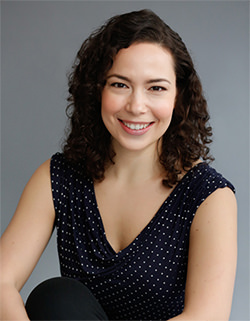
Rebecca Lubart is the founder and CEO of Dynamic Body Pilates, a one-on-one Pilates studio in New York City specializing in chronic pain, movement challenges, and healthy aging. With 20 years of experience teaching Pilates, Rebecca helps people better understand how their bodies move—and how strength, mobility, balance, and coordination work together.
Her approach grew in part from her own recovery from a traumatic injury and the search for more effective, whole-body solutions to persistent pain. She founded Dynamic Body Pilates in 2012 to bring that approach to others. Today, Rebecca and her team help clients move with greater comfort, confidence, and independence through highly individualized Pilates and movement education.